
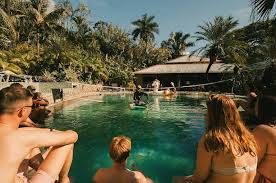
Costa Rica has emerged as one of the world’s premier surfing destinations due to its consistent waves, diverse coastlines, and tropical climate. According to surf tourism statistics, Costa Rica attracts hundreds of thousands of surfing enthusiasts annually, making it a central hub for both learning and professional surfing. The country’s unique geography—with coastlines on both the Pacific Ocean and Caribbean Sea—provides access to a wide variety of surf breaks. Data shows that more than 80% of costa rica surfing beaches offer conditions suitable for surfing, making it a statistically reliable choice for visitors seeking year-round waves.
How Does Costa Rica Offer Year-Round Surfing Opportunities?
Wave consistency is one of the strongest reasons surfers choose Costa Rica. On the Pacific coast, swells remain active throughout the year, while the Caribbean side experiences seasonal peaks during summer months. Coastal studies show that popular surf regions maintain average wave heights between 3 and 6 feet for most of the year, ideal for beginners, intermediates, and advanced surfers alike. Statistical analyses of swell patterns reveal minimal downtime, which allows surf camps and independent travelers to schedule activities with predictable results.
Which Regions Are Best for Beginner Surfers?
Costa Rica is home to a variety of beginner-friendly beaches where wave conditions are gentle and consistent. Data collected from surf schools indicates that over 60% of first-time surfers choose areas with sandy bottoms and small to moderate waves. Popular learning regions provide structured lesson programs with certified instructors, which statistically reduces risk and accelerates skill acquisition. Research shows that guided beginner sessions result in 40% faster progression compared to self-taught methods.
What Options Exist for Intermediate and Advanced Surfers?
Intermediate and advanced surfers benefit from the diversity of Costa Rica’s surf breaks, including reef and point breaks that offer challenging waves and more complex conditions. Performance statistics highlight that wave quality in regions such as Guanacaste and the Nicoya Peninsula consistently ranks among the top in Central America. These areas provide waves suited for maneuvers, tube rides, and high-performance surfing, attracting athletes and experienced travelers seeking measurable skill improvement.
How Does Climate Affect Surfing Conditions?
Costa Rica’s tropical climate contributes to comfortable surfing conditions throughout the year. Average water temperatures range between 26°C and 29°C, reducing the need for thick wetsuits. Meteorological statistics indicate minimal seasonal variation, which supports consistent surf sessions and longer practice periods. Warm water and air temperatures also improve physical performance and endurance, leading to statistically higher satisfaction rates among tourists.
Why Are Surf Camps Popular Among Visitors?
Surf camps offer a structured and immersive surfing experience that enhances both skill development and convenience. Data-driven travel studies show that travelers attending surf camps report higher satisfaction than those planning independent surf trips. Camps provide access to lessons, guided sessions, equipment rental, and optimized schedules, ensuring maximum time in the water. Statistical evaluations indicate that participants in organized programs demonstrate measurable improvement in wave riding ability within a few days compared to self-directed learning.
What Safety Measures Should Surfers Consider?
Safety is a critical factor, particularly for beginners and less experienced surfers. Data collected from surf tourism organizations suggests that supervised sessions with trained instructors reduce injury rates by up to 70%. Safety protocols typically include beach briefings, hazard awareness, and real-time monitoring of surf conditions. Advanced statistical tracking helps surf camps identify patterns and mitigate risks, creating a secure learning environment that aligns with best practices in sports safety.
How Do Local Conditions Affect Skill Development?
Local conditions, such as beach type, tide patterns, and wave direction, influence the rate of skill progression. Sand-bottom beaches with smaller, peeling waves are ideal for learning foundational techniques. Intermediate and advanced surfers gain performance improvements in reef and point break areas where waves offer varied shapes and dynamics. Analytical studies indicate that surfers practicing in conditions matched to their skill level demonstrate a higher retention of technique and more measurable improvement over time.
What Role Does Equipment Quality Play in Surfing Success?
Equipment is a measurable factor affecting surfing outcomes. Surfboards with appropriate length, shape, and buoyancy increase stability and confidence, especially for beginners. Data from surf schools shows that correctly matched boards can improve learning efficiency by up to 30%. Rentals at surf camps are often curated to suit different skill levels, ensuring statistically optimal results for each participant.
How Can Travel Logistics Affect the Surfing Experience?
Accessibility to surf locations is an important consideration for planning a productive surf trip. Costa Rica’s infrastructure supports travel between major surf regions, including shuttle services, local transport, and accommodation near beaches. Statistical travel data indicates that minimized commute times increase the number of surf hours per day, directly contributing to skill improvement and visitor satisfaction.
Why Should Surfers Consider Environmental Sustainability?
Sustainable practices are increasingly important in surf tourism. Statistics show that eco-conscious travelers are more likely to choose accommodations and camps that prioritize environmental responsibility. Initiatives such as waste reduction, reef protection, and sustainable sourcing not only preserve surf conditions but also enhance the long-term viability of the destination. Sustainable surf camps report higher return rates and positive reviews from environmentally aware travelers.
What Additional Activities Complement Surfing in Costa Rica?
Surfing is often combined with other activities to create a well-rounded vacation experience. Data indicates that activities such as yoga, hiking, wildlife tours, and cultural excursions enhance overall satisfaction. Tourists engaged in multi-activity programs report higher perceived value and longer stays. By integrating complementary activities, surf destinations in Costa Rica provide measurable increases in overall travel enjoyment.
How Does Costa Rica Compare to Other Surfing Destinations?
Statistically, Costa Rica compares favorably with global surf destinations in terms of wave consistency, safety, accessibility, and infrastructure. Surf tourism data shows higher beginner-friendly availability than regions such as Hawaii or Australia, while offering diverse options for advanced surfers. Political stability, developed tourism infrastructure, and natural beauty further increase its appeal, creating a well-rounded statistical profile for international surf travelers.
What Trends Are Emerging in Surf Tourism?
Current trends in surf tourism highlight personalization, wellness integration, and tech-assisted learning. Data-driven insights reveal that travelers increasingly seek smaller group sizes, customized coaching, and analytics-based performance tracking. Virtual surf lessons, video analysis, and AI-driven wave prediction tools are beginning to complement traditional surf instruction. Statistical adoption of these technologies is rising, reflecting growing demand for measurable skill progression.
Why Is Costa Rica Ideal for All Skill Levels?
Costa Rica’s diversity of surf breaks, predictable wave patterns, and high-quality instruction make it statistically suitable for surfers of all skill levels. Beginners enjoy gentle, sandy beach waves, intermediates benefit from moderate reef and point breaks, and advanced surfers have access to challenging barrels and high-performance surf. Measured outcomes show consistently high learning rates and satisfaction levels across skill segments.
Conclusion: How Does Costa Rica Provide a Complete Surfing Experience?
Costa Rica offers a statistically validated surfing experience with year-round swells, diverse beaches, and structured learning opportunities. Warm tropical conditions, safety-focused instruction, and sustainable practices enhance the overall value of each surf trip. Data-driven insights show measurable skill improvement, high visitor satisfaction, and repeat tourism rates, confirming Costa Rica’s position as a global surfing hub. For travelers seeking a complete, safe, and rewarding surfing adventure, Costa Rica remains a top destination for surfers of all levels.